

2026 Fellows

Our 2026 fellows come together from 9 countries to strengthen and protect their mountain communities. This cohort of 19 individuals brings energy, creativity, knowledge, and passion to their projects and their roles as stakeholders, scientists, leaders, peers, and educators.
Meet the Fellows
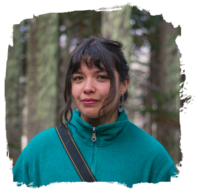
Claudia Daure Bahamondes
Region: Valdivia, Chile
Vocation: Rural Development
Area where the fellow’s project will be applied: Southern Chile
Personal Bio: Claudia holds a degree in geography from the Universidad Austral de Chile, and is a master’s candidate in Rural Development, as well as a self-taught photographer. Her work focuses on researching changes in rural areas and their relationship to biocultural conservation, environmental education, and socio-environmental conflicts in southern Chile. She also designs and facilitates participatory methodologies, particularly through social mapping. She currently works at the Natural Andes Laboratory in southern Chile and is a member of the GeoEduca Chile Association.
Bio en español: Claudia es licenciada en Geografía por la Universidad Austral de Chile, está cursando una maestría en Desarrollo Rural y es fotógrafa autodidacta. Su trabajo se centra en investigar los cambios en las zonas rurales y su relación con la conservación biocultural, la educación ambiental y los conflictos socioambientales en el sur de Chile. También diseña y facilita metodologías participativas, especialmente a través del mapeo social. Actualmente trabaja en el Laboratorio Natural Andes, en el sur de Chile, y es miembro de la Asociación GeoEduca Chile.
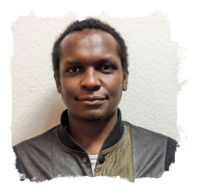
Denis Momanyi
Region: Berlin, Germany
Group Affiliation: Leibniz-Centre for Agricultural Landscape Research
Area where the fellow’s project will be applied: Sub-Saharan Africa
Personal Bio: Denis Momanyi is a PhD candidate in Agricultural Economics at Humboldt University of Berlin and a researcher affiliated with Leibniz Centre for Agricultural Landscape Research. His research focuses on climate-smart agriculture, climate adaptation, food security, and structural inequality among smallholder farming systems in sub-Saharan Africa. Using a combination of econometrics, machine learning, and decision-support modeling, he investigates how climate risks and social inequalities shape agricultural resilience. Denis is particularly interested in developing equity-sensitive approaches to sustainable development and climate adaptation policy.

Eileen Joseph
Region: Georgia, USA
Group Affiliation: University of Georgia
Area where the fellow’s project will be applied: The rural ecotourism community of Monteverde, Costa Rica
Personal Bio: Eileen is a PhD student advised by Dr. Jesse Abrams at the University of Georgia, studying Integrative Conservation with an Area of Emphasis in Forestry and Natural Resources. Eileen has worked with the rural ecotourism community of Monteverde, Costa Rica, since 2017 as a choreographer, intern, and researcher. She is interested in the sustainable futures of Monteverde that have emerged since the COVID-19 pandemic, focusing on diverse economies, community resilience, and collective agency.

HRM Fon Ngum IV
Region: Oku, Cameroon
Group Affiliation: The Oku Kingdom in Cameroon’s Minority Anglophone North West Region
Area where the fellow’s project will be applied: Cameroon’s Minority Anglophone North West Region
Personal Bio: His Royal Majesty Fon Ngum IV, Paramount Ruler of the Oku Kingdom in Cameroon’s Minority Anglophone North West Region, serves over 80,000 people across 36 villages, including those in the rest of Cameroon and the diaspora. He is also a member of the House of Chiefs for the North West Region and The National Council of Traditional Rulers of Cameroon. He was also a Roving Ambassador for Peace (Golden Award recipient) and a 2024 Mandela Washington Fellow, with formal training in Public Law and Leadership in Public Management. He holds an Honours Bachelor of Laws (LLB) in Public Law from the University of Bamenda and a Certificate in Leadership in Public Management from Syracuse University’s Maxwell School of Citizenship and Public Affairs, where he was trained in citizen engagement, public-sector leadership, resource management, financial systems, and the interface between government, business, and civil society.
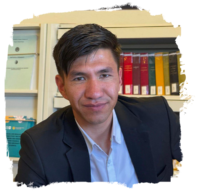
Farhad Ehsani
Region: Trier, Germany
Group Affiliation: Trier University, Germany
Area where the fellow’s project will be applied: Resilient mountain futures
Personal Bio: Farhad Ehsani is a geospatial researcher and development practitioner from Afghanistan, currently pursuing an MSc in Geoinformatics at Trier University, Germany. His work combines geospatial science, anthropology, and community-based development to support climate resilience and sustainable livelihoods in mountain regions. As a Mountain Sentinels Fellow, he is committed to amplifying local voices and advancing community-centered solutions for resilient mountain futures.
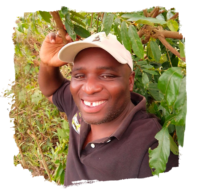
Franklin Bulonvu Wahanyirwe
Region: Bukavu, DRC
Group Affiliation: University of Rwanda
Area where the fellow’s project will be applied: The eastern Democratic Republic of the Congo (DRC)
Personal Bio: Franklin Bulonvu is a final-year PhD candidate in forest ecology at the University of Rwanda. Based in the eastern Democratic Republic of the Congo (DRC), his work focuses on engaging community members living around Kahuzi-Biega National Park. Specifically, he is involved in cultivating indigenous tree species for biodiversity restoration and water conservation. In response to the region’s recent history and anthropogenic disturbances within the park, his project bridges local communities and park managers to promote peaceful cohabitation and the sustainable management of both the park and communal forests.

Gautam Bisht
Home: Illinois, USA
Group Affiliation: Northwestern University + Sinchan Education and Rural Entrepreneurship
Area where the fellow’s project will be applied: The Himalayan belt
Personal Bio: Gautam Bisht is a Ph.D. candidate in the School of Education and Social Policy and co-founder of the Sinchan Education and Rural Entrepreneurship Foundation, a nonprofit organization. His research focuses on designing learning environments that engage with different ways of knowing through language and literacy spaces. He is currently involved in research projects that focus on indigenous education, migration storytelling, and local knowledge systems of the Himalayan belt.
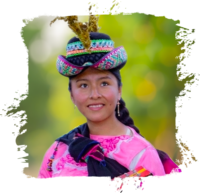
Jessica Shantal Pacotaype Mendieta
Home: Lima, Peru
Group Affiliation: Universidad Peruana de Ciencias Aplicadas (UPC)
Area where the fellow’s project will be applied: The Andes
Personal Bio: Jessica Shantal Pacotaype Mendieta is an environmental engineering student at Universidad Peruana de Ciencias Aplicadas, originally from a high-Andean indigenous community in Ayacucho, Peru. Her journey is deeply connected to the mountains, water, and the traditional knowledge of her homeland. She is interested in applied research focused on the protection of glaciers, high-mountain ecosystems, and water resources, particularly through the use of Geographic Information Systems. She aspires to continue building bridges between science, communities, and the care of life in the Andes.
Bio en español: Jessica Shantal Pacotaype Mendieta es estudiante de ingeniería ambiental en la Universidad Peruana de Ciencias Aplicadas y es originaria de una comunidad indígena de las altas tierras andinas de Ayacucho, Perú. Su trayectoria está profundamente ligada a las montañas, el agua y los conocimientos tradicionales de su tierra natal. Le interesa la investigación aplicada centrada en la protección de los glaciares, los ecosistemas de alta montaña y los recursos hídricos, especialmente mediante el uso de Sistemas de Información Geográfica. Aspira a seguir tendiendo puentes entre la ciencia, las comunidades y el cuidado de la vida en los Andes.
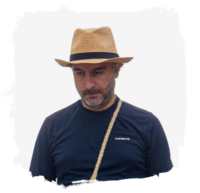
Juan Alex Alvarez Del Castillo
Region: Cuzco, Peru
Group Affiliation: SIT Study Abroad Program Peru: Indigenous peoples and globalization
Area where the fellow’s project will be applied: Indigenous affairs
Personal Bio: Alex is an anthropologist specializing in indigenous affairs. He holds a PhD in development studies from Switzerland University. He is author of several articles for science publications and gives lectures about biodiversity conservation in Andean and Amazonian indigenous peoples territories. In 2021, he was elected to participate in the prestigious international program on Indigenous Peoples’ Rights and Policy, from Institute for the Study for Human Rights – Columbia University, New York City. He is an honorary member of ICCA Consortium. From 2012, he is Assistant Professor and Academic Director of SIT Study Abroad Program Peru: Indigenous peoples and globalization.
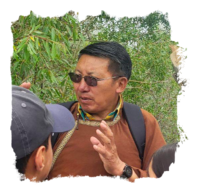
Karma Sonam
Region: Len, India
Organization / Group Affiliation: Nature Conservation Foundation/ Snow Leopard Trust (NCF/ SLT)
Area where the fellow’s project will be applied: Conservation efforts in Ladakh
Personal Bio: Karma belongs to an agro-pastoral family in Rumtse and has a humble upbringing. Over the years, he has come to know various aspects of wildlife conservation and has increasingly realized the involvement of local communities as a harbinger of change in conservation. He loves interacting with the communities, and in his free time he tries to get engrossed in Bird-watching, wildlife photography, and writing. Karma won the NatWest Group ‘Earth Hero Inspire Award’ in 2021 for his exceptional conservation efforts in Ladakh.
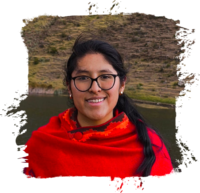
Lizet Maylí Mejía Penadillo
Region: Huaraz, Perú
Group Affiliation: QINTI Peru
Area where the fellow’s project will be applied: The high-Andean wetlands
Personal Bio: Lizet Mejía is an environmental engineer from the Peruvian Andes and a youth leader committed to ecosystem restoration, water conservation, and working with mountain communities. She is an FAO Young Forest Champion, co-founder of Trenzando MinkAyni and Qinti Perú, and a GLF Restoration Steward 2026. Her work focuses on strengthening the leadership of young people and local communities through citizen science, environmental education, and nature-based solutions. She is currently conducting research on high-Andean wetlands and promoting participatory approaches to climate resilience and sustainable development in mountain regions.
Bio en español: Lizet Mejía es ingeniera ambiental de los Andes peruanos y lideresa juvenil comprometida con la restauración de ecosistemas, la conservación del agua y el trabajo con comunidades de montaña. Es Young Forest Champion de la FAO, cofundadora de Trenzando MinkAyni y Qinti Perú, y GLF Restoration Steward 2026. Su trabajo se centra en fortalecer el liderazgo de jóvenes y comunidades locales a través de la ciencia ciudadana, la educación ambiental y las soluciones basadas en la naturaleza. Actualmente desarrolla investigaciones sobre bofedales altoandinos y promueve enfoques participativos para la resiliencia climática y el desarrollo sostenible en territorios de montaña.
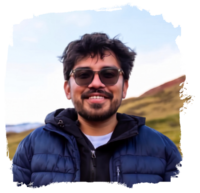
Sebastian Tapia Manchego
Region: Arequipa, Perú
Group Affiliation: Descosur NGO
Area where the fellow’s project will be applied: High-Andean communities in the Arequipa region, Peru
Personal Bio: Sebastian Tapia Manchego is an environmental engineer with a passion for mountain ecosystems and sustainable water management. His work focuses on understanding how the restoration of natural infrastructure helps strengthen water security for high-Andean communities in the Arequipa region, Peru. He currently works as an environmental specialist at the NGO DESCOSUR, where he develops and implements programs for ecohydrological monitoring, conservation of dry puna ecosystems, and climate change adaptation in southern Peru. He seeks to integrate science, technology, and ancestral knowledge to promote sustainable solutions that strengthen the resilience of high-mountain ecosystems.
Bio en español: Sebastián Tapia Manchego es ingeniero ambiental, apasionado por los ecosistemas de montaña y la gestión sostenible del agua. Su trabajo se centra en comprender cómo la restauración de la infraestructura natural contribuye a fortalecer la seguridad hídrica de las comunidades altoandinas de la región de Arequipa, Perú. Actualmente se desempeña como especialista ambiental en la ONG DESCOSUR, donde desarrolla e implementa programas de monitoreo ecohidrológico, conservación de ecosistemas de puna seca y adaptación al cambio climático en el sur del Perú. Busca integrar la ciencia, la tecnología y el conocimiento ancestral para impulsar soluciones sostenibles que fortalezcan la resiliencia de los ecosistemas de alta montaña.
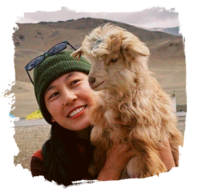
Sonam Palmo
Region: Idaho, USA
Group Affiliation: Boise State University
Area where the fellow’s project will be applied: The Changthang region of Ladakh, the western extension of the Tibetan Plateau
Personal Bio: Sonam Palmo is originally from Kham Chamdo in Tibet. When she was six years old, she moved to India, where she completed all of her education, from primary school through her master’s degree. She is currently pursuing a PhD at Boise State University. Her research focuses on the Changthang region of Ladakh, the western extension of the Tibetan Plateau. Since beginning fieldwork there in 2024, she has become deeply committed to understanding and conserving its unique ecosystems and biocultural landscapes. Working in Changthang has strengthened her connection to the Tibetan Plateau and inspired a long-term commitment to this region. She hopes that one day she will have the opportunity to return to Tibet and contribute to ecological research and conservation there as well.

Stephanie Geraldine Lesslie Edith Gavilan Chino
Region: Puno, Perú
Group Affiliation: Q’ochas Resilientes (MIT-UTEC)
Area where the fellow’s project will be applied: The high Andean regions
Personal Bio: Stephanie Gavilan is a chemical engineer with experience in applied research, climate change adaptation, water resource management, and community work in high Andean regions. She is a co-founder and co-leader of Q’ochas Resilientes, an initiative that promotes the revival of ancestral water harvesting and storage systems as nature-based solutions to strengthen climate resilience and water security in the Peruvian Andes. The initiative won the MIT PKG Ideas Competition and is carried out in collaboration with local communities and academic partners such as MIT D-Lab and UTEC. Her experience encompasses water quality monitoring, participatory research, coordination with local stakeholders, and project management related to water, climate, and land. She has also participated in international environmental governance forums, including the Conferences of the Parties to the United Nations Framework Convention on Climate Change (UNFCCC) and the Convention on Biological Diversity (CBD). She currently works as a Professional Project Intern at CARE Peru and is a 2026 Moving Mountains Fellow with Mountain Sentinels. She is also a member of the Climate Youth Negotiator Program (CYNP), where she is building her skills in climate change adaptation, climate policy, and international cooperation. Her professional interests focus on the design and implementation of projects aimed at sustainable water resource management, climate change adaptation, nature-based solutions, mountain ecosystem conservation, and sustainable development.
Bio en español: Stephanie Gavilan es Ingeniera Química egresada con experiencia en investigación aplicada, adaptación al cambio climático, gestión de recursos hídricos y trabajo comunitario en territorios altoandinos. Es cofundadora y colíder de Q’ochas Resilientes, una iniciativa que impulsa la recuperación de sistemas ancestrales de siembra y cosecha de agua como soluciones basadas en la naturaleza para fortalecer la resiliencia climática y la seguridad hídrica en los Andes peruanos. La iniciativa fue ganadora del MIT PKG Ideas Competition y se desarrolla en colaboración con comunidades locales y aliados académicos como MIT D-Lab y UTEC. Su experiencia integra el monitoreo de la calidad del agua, la investigación participativa, la articulación con actores locales y la gestión de proyectos relacionados con agua, clima y territorio. Asimismo, ha participado en espacios internacionales de gobernanza ambiental, incluyendo las Conferencias de las Partes de la Convención Marco de las Naciones Unidas sobre el Cambio Climático (UNFCCC) y del Convenio sobre la Diversidad Biológica (CBD). Actualmente se desempeña como Practicante Profesional de Proyecto en CARE Perú y es Moving Mountains Fellow 2026 de Mountain Sentinels, además de formar parte del Climate Youth Negotiator Programme (CYNP), donde fortalece sus capacidades en adaptación al cambio climático, política climática y cooperación internacional. Sus intereses profesionales se centran en el diseño e implementación de proyectos orientados a la gestión sostenible de los recursos hídricos, la adaptación al cambio climático, las soluciones basadas en la naturaleza, la conservación de ecosistemas de montaña y el desarrollo sostenible.
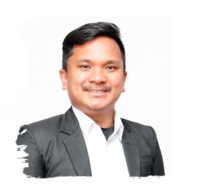
TEAM – Biswash Chepang and Emil Shrestha
Region: Kathmandu, Nepal
Group Affiliation: Center for Indigenous Peoples’ Research and Development (NGO)
Area where the fellow’s project will be applied: Fostering inclusion, equity, and climate resilience among Indigenous Peoples
Personal Bio: Biswash Chepang, a member of Nepal’s Chepang Indigenous community, is deeply committed to social and environmental justice. He holds a Master’s in Social Work from the University of Lincoln (2018) and Master of Philosophy (MPhil) in Development Studies from Kathmandu University School of Education. Mr. Chepang remains committed to fostering inclusion, equity, and climate resilience among Indigenous Peoples. His work amplifies Indigenous voices, strengthens customary governance systems, and safeguards traditional knowledge and raise voices against exclusionary conservation practices. At the global level, he serves as an Expert Member of the Informal Advisory Group on Scientific and Technical Cooperation (2025–2027) under the United Nations Convention on Biological Diversity (CBD). He is also an Editorial Board Member of the Local Biodiversity Outlooks (LBO-3), contributing to global biodiversity reporting from Indigenous Peoples’ perspectives. In addition, he serves on the Human Rights and Biodiversity Sub-Working Group, supporting the implementation of the Kunming-Montreal Global Biodiversity Framework, including Target 3 and National Biodiversity Strategy and Action Plan (NBSAP) processes.
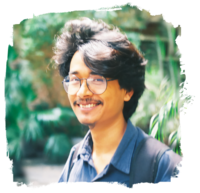
Emil Shrestha
Area where the fellow’s project will be applied: Interlinking the relationships between diverse communities, their cultures, and the built environment
Personal Bio: After earning his architecture degree, Emil practiced in Kathmandu with a focus on contemporary, vernacular, and sustainable design. This practice sparked a deep curiosity about how communities connect with their environments, leading him to pursue masters degrees in Sustainable Development and Indigenous Education and Development. This academic path reshaped his approach, allowing him to view architecture through an anthropological lens, exploring spatial dynamics alongside cultural and development praxis. Today, he practices as a researcher, spatial designer, and planner, dedicated to interlinking the relationships between diverse communities, their cultures, and the built environment.
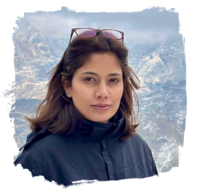
Tuheina Thakur
Region: Georgia, USA
Group Affiliation: University of Georgia
Area where the fellow’s project will be applied: Spiti Valley, Himachal Pradesh, India
Personal Bio: Tuheina is a native from Shimla, Himachal Pradesh a state in the Indian Himalayas. She is currently pursuing a Ph.D. in Integrative Conservation, with an emphasis in Ecology, at the University of Georgia’s Odum School of Ecology. Her research explores human-wildlife interactions in the cold-desert landscape of Spiti Valley, India, examining how conservation practices intersect with local livelihoods and what are the gendered dimensions of these changes. Before beginning her Ph.D., she worked extensively across the Indian Himalayas on Himalayan mammals and herpetofauna, contributing to research on wildlife ecology and community-based conservation.
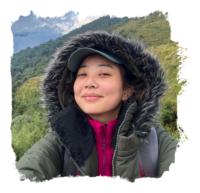
Yashika Subba
Region: Darjeeling, India
Group Affiliation: Indian Institute of Technology (IIT)
Area where the fellow’s project will be applied: Climate knowledge and the lived experiences of mountain communities in the Eastern Himalaya
Personal Bio: Yashika is from Kurseong in the hills of Darjeeling, India and belongs to an indigenous community of the Eastern Himalaya, whose landscapes have shaped her deep curiosity for people, cultures, and the mountains she loves to hike and explore. She is a research scholar of anthropology at the Department of Humanities and Social Sciences, Indian Institute of Technology (ISM) Dhanbad, where her research explores climate knowledge and the lived experiences of mountain communities in the Eastern Himalaya.